
There are no featured facilities in this city.





*Free Information & 100% No Obligation for Families. Ask your care advisor for any available Move-In Discounts. We respect and value your privacy. By submitting this form you agree to SeniorCareHomes.Com’s Agreement to be contacted by email, phone or text message (SMS), Privacy Policy & Terms of Service

More than 22 Memory Care facilities can be found in Washington, DC and can assist the requirements of your Mom or Dad. In Washington, DC, based on the resident’s care needs, a Washington, DC Memory Care facility provides regular, delicious food, showering, grooming, changing clothes, med assistance, activities, and fitness, memory-specific care programs, as examples.
The difference among Assisted Living and Memory Care are the kinds of unique programs they offer for residents identified with Alzheimer’s Disease. In addition, Memory Care facilities are secured and are locked to make sure residents do not leave the facility.
Washington, DC Memory Care costs average about $8,743 per month (Genworth Cost of Care Survey) versus the national average. Washington, DC Memory Care costs can range from $5,000 to $15,000 per month throughout the surrounding area.
If families require affordable options, programs such as the VA Aid and Attendance Program and Memory Care Waiver can help assist with the price of Washington, DC Memory Care.
Key Takeaways:
22 Memory Care Facilities in Washington, DC are situated throughout the city and can accommodate the needs of your Loved One. Other kinds of care services include Assisted Living and Independent Living. Based on the care needs, Memory Care in Washington, DC has facilities that provide non-medical services such as daily healthy food, showering, grooming, changing clothes, med assistance fitness, outings, art events, two-person transferring, transportation, Memory Care specific activities and much more.
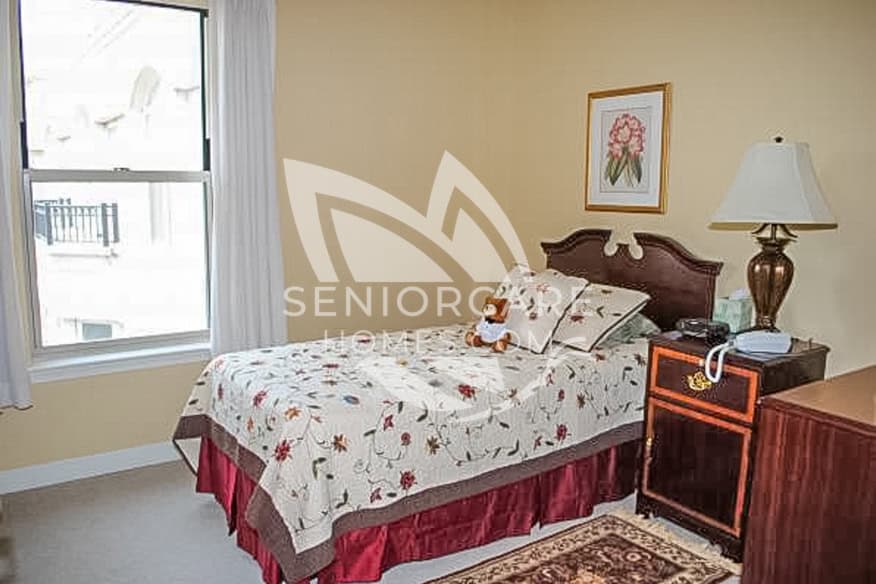
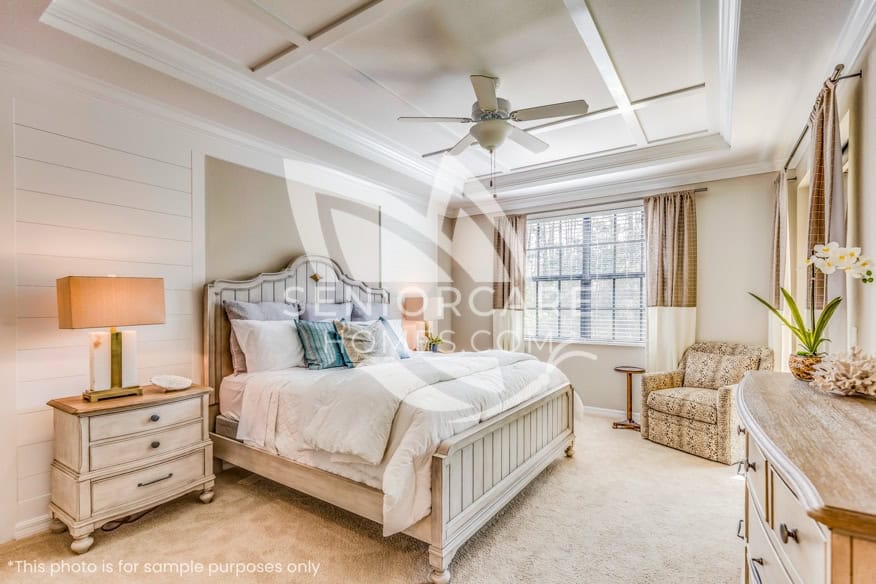
A Memory Care Community and Care Home in Washington, DC can provide residents with amenities and assistance in any of the 22 large or small facilities. Examples are prepared bedrooms, pre-booked dining areas, activity areas, mental wellness programs, salons, pools, and saunas.
If residents need to go outside, the Senior Living Community caregivers may bring residents to medical appointments, religious mass, strolls in the nearby town, cinemas, malls, and more.
Older adults in Washington, DC will typically require Memory Care Communities and Care Homes when it is dangerous for them to be by themselves in their residence and when they need assistance with their ADLs (Activities of Daily Living).
Older Adults staying in a Senior Living Community in Washington, DC are independent, require Assisted Living, or suffer from Memory Loss and Dementia and need Alzheimer's Care.
The selection of Washington, DC Memory Care Facilities can vary from intimate residential care homes to large “resort-style” Memory Care communities. Depending on the Facility size of the Memory Care Facilities in Washington, DC, services and amenities can differ.
Large Memory Care communities can provide a wide range of amenities due to their size and staff, while intimate, residential care homes offer a more private home-like feel.
Memory Care Facilities in Washington, DC offer Residential Care Homes, which are regular homes in the community that are changed to care for 6 to 10 residents. These small care homes are locked and equipped with alarms that can keep residents suffering from Alzheimer's safe from wandering.
A Memory Care Facility in Washington, DC feature small, residential care homes in a "home-style," private environment. A lot of residents want these kinds of facilities over the large communities as they are accustomed to the feeling of being at home. A lot of residential care homes throughout Washington, DC provide Alzheimer’s Care activities, animal and art therapy, fitness schedules, and more.
With Residential Care Homes in Washington, DC having a smaller capacity area and a smaller number of older adults, the Caregiver-to-Resident Ratio in a residential care home is 1 Caregiver per every 2 to 3 residents.
Washington, DC’s Large Memory Care Communities will look like a large resort with 50 to 350+ elderly residents. These Memory Care Facilities in Washington, DC will typically be located in commercial locations and are also monitored by the State Licensing Department. These large Memory Care facilities can also have a secure Memory Wing that can keep residents suffering from Alzheimer's safe from wandering.
Many nationally recognized Memory Care Communities in Washington, DC are companies like Sunrise, Brookdale, Enlivant, Atria, Pacifica, Belmont Village, Senior Lifestyle, SRG, MBK, Oakmont, Holiday Retirement, and Five Star to name a few.
Seniors living in Large Memory Care Facilities in Washington, DC typically prefer these Facilities due to the daily activities routine, higher levels of socialization with other residents, chef-made food, pet interaction, creative classes, fitness programs and customary outings.
With a Memory Care Community’s more considerable number of residents, the typical Caregiver-to-Resident Ratio for Memory Care can range from 1 Caregiver for every 6 to 12 Seniors in these Memory Care Communities.
The average monthly price of Memory Care in Washington, DC is $8,743 (source: Genworth Financial) versus the national average. Whether your loved one prefers a residential care home or a large Memory Care community, the lowest price of care and rent begins at $5,000 per month and can go as high as $15,000 per month depending on the degree of care needs.
To determine what considerations play a part of the monthly costs of Memory Care Washington, DC, Read More Here.
Paying for Memory Care in Washington, DC can be obtained through a variety of means. Most residents and their families in Washington, DC pay money for care “Out of Pocket”, also known as "Private Pay." Other methods for paying for Memory Care in Washington, DC can be done by Long Term Care Insurance, Veterans Aid and Attendance.
Unfortunately, contrary to what a lot of families think, Medicare or Medicaid does not pay for Memory Care. This makes it more challenging for you to be able to pay for Memory Care in Washington, DC. For additional details on Memory Care in Washington, DC, Read More Here.
Veterans Aid and Attendance for Memory Care Washington, DC is one of the essential disability benefits offered by the Department of Veterans Affairs (VA). This program provides supplementary advantages to senior veterans, their spouses, and surviving family individuals.
The VA Aid and Attendance program in Washington, DC aids those who have served in the armed forces with access to medical support and assistance with Activities of Daily Living (ADLs).
To take advantage of this assistance program, an individual must fulfill specific financial, medical, and daily living service requirements. The amount of assistance for Memory Care Washington, DC will depend on the individual’s scenario, such as, income level and other considerations.
Suppose a war Veteran or spouse may qualify for the VA Aid and Attendance program in Washington, DC. In that case, it's very important to contact foundations like American Veterans Aid or VeteranAid.org, which can discuss more details in regard to this aid and help with the application procedure.
In these times when our nation’s Veterans need additional help, benefits like VA Aid and Attendance for Washington, DC make sure our Senior Veterans get the assistance they deserve. Our fearless servicemen and women sacrificed a lot for their nation; it's time we take care of them, too.
A Memory Care Washington, DC Waiver (ALW) is a Home and Community-Based Services (HCBS) program that provides Memory Care services to elderly or those with disabilities who require assistance with personal care and household tasks. The ALW program covers the expenses of care in Memory Care Washington, DC for qualified individuals with Medicaid, enabling them to remain in their homes as an alternative to residing in a licensed healthcare facility.
Depending on the State, services administered in Washington, DC under the ALW program may offer assistance with activities of daily living or essential services for instance, bathing, changing, meals, going to the bathroom, moving, med management, room cleaning, laundry and more.
Medicare does not cover long-term care (Memory Care, Assisted Living, or Independent Living). However, Medicare does pay Seniors in hospitals or nursing homes, or skilled nursing facilities for stays, typically up to 90 days. This can cover health care services and health care benefits not covered under the Memory Care scope which is non-medical services. The health care administration can help with Medicare assistance as they employ workers that specialize in case management services.
You may learn more about Medicare or Medicaid with Memory Care and Assisted Living and go to the State Department of Social Services, Medicare.gov or Medicaid.gov for additional details.
Unfortunately, the price of Memory Care in Washington, DC may be difficult for a lot of families. Pricing may begin as low as $5,000 per month and be more than $10,000 per month, depending on the level of care, preferences, and area desired.
If Memory Care in Washington, DC seems out of reach for Seniors, contact your local area agency such as the Department of Aging for less expensive care options. They can help low-income families get started with their needs.
The task may feel daunting if you are looking for a Memory Care Facility, Assisted Living or Independent Community near Washington, DC for you or a loved one. There are tens of thousands of communities and small care homes throughout the State, and choosing the best fit may seem impossible. You can find the perfect home right away by researching ahead and seeking free assistance from an experienced care advisor.
These are some tips on how to find Memory Care Facility, Assisted Living or Independent Living Community near Washington, DC that can assist with your personal Memory Care Facility requirements:
Established in 2007, SeniorCareHomes.com has provided free Memory Care in Washington, DC assistance to help Seniors and their Loved Ones in finding the top-matched facilities based on costs, location, and care needs.
The process of finding Memory Care near Washington, DC may be overwhelming and daunting. SeniorCareHomes makes the transition with their knowledge, years in the business, and compassion.
To get an understanding on how we can help you find the right for residential care facilities or senior living communities, watch the short video Here.
Reach out to our expert care advisors today and start the search for Washington, DC Memory Care options at (877) 523-6523 x1 or Click Here.
The 22 Memory Care in Washington, DC Facilities are licensed and audited by Washington DC’s Department of Health Services. They must visit the care home owners or community managers and inspect the Senior Living facility in Washington, DC before it opens according to Memory Care Laws. Washington DC License Inspectors’ responsibility is to make sure the Memory Care facility is operating up to good benchmarks and the community residents receive the right personal care.
Each State has its specific policies. If the quality standards are not met, Washington DC’s Community Care Licensing Division will not issue or renew a license to the care home or senior living community and the license can be suspended or taken away. This helps ensure the quality of personal assistance support for all Seniors living in Washington, DC.

It is important to know the common assisted living search mistakes to ensure that you find the right facility that

Choosing the Right Assisted Living Community or Residential Care Home is one of the most important, yet difficult decisions

Edited: 10.13.24 Transitioning to Assisted Living Are you looking into moving your senior loved one to an Assisted Living Facility?

Talking to your aging parents about assisted living is probably one of the hardest conversations you will ever have with

Updated: October 8, 2024 Have you visited your elderly parents or relative recently? Did you notice any health, behavioral or

Aging is inevitable. At some point in our life, each one of us will need help with Activities of Daily

Updated: September 4, 2024 The Veterans Administration (VA) offers a special pension called Aid and Attendance that helps pay

Wondering why Senior Care fees are getting more and more expensive? Senior Care fees may vary depending on the specifications

Preparing for a visit What to ask on an assisted living tour. Bring the same questions to each home. Ask
In a small residential care home, licensing usually permits 6 Seniors per home (depending on the State). In a large Memory Care facility, there may be 50 to more than 300 Seniors in a community.
Yes and No. Independent Living Communities do not provide Assistance with Daily Living (ADLs) and Memory Care such as showering, getting dressed, medication distribution, Memory Care Activities, and a locked down community, etc. These Independent Living communities are like a hotel with all the bells and whistles.
However, older adults living in Memory Care communities are suffering from Memory Loss and are usually in a locked down wing to stop wandering out of the facility.
A lot of families require clarification with many of these names. Typically, Nursing homes are for those with severe medical circumstances that will require 24-hour medical care and nursing assistance.
If your Loved One needs day to day assistance like bathing, changing clothes, med management, going to the bathroom, and grooming, then Memory Care may be a better fit.
Brookdale Senior Living, Sunrise Senior Living, Atria Senior Living, Pacifica Senior Living, and Enlivant Senior Living are the most popular Memory Care facilities throughout the country.
The recurring Memory Care Costs may begin at $5,000 and go as high as $15,000 monthly.
The Veterans Administration (VA) offers a special pension named Aid and Attendance that helps pay for care in an Assisted Living, Memory Care, skilled nursing facility, or nursing home facility.
This VA benefit is usually unknown and often overlooked by family members of Veterans or surviving spouses that need financial assistance to care for aging Seniors.
For additional details, read the full article here.
Medicare does not pay for long-term care. They will pay for hospital or nursing homes for stays usually up to 90 days.
Get more details at medicare.gov.
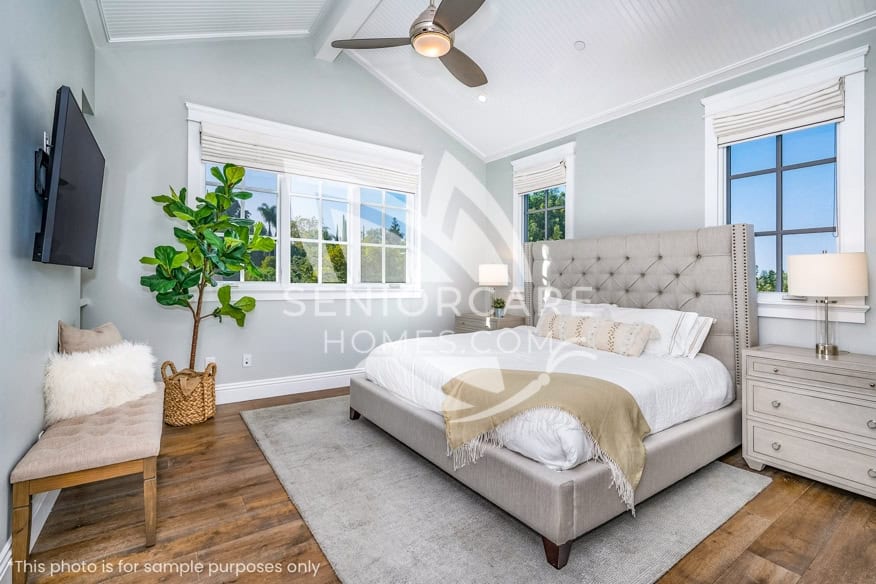
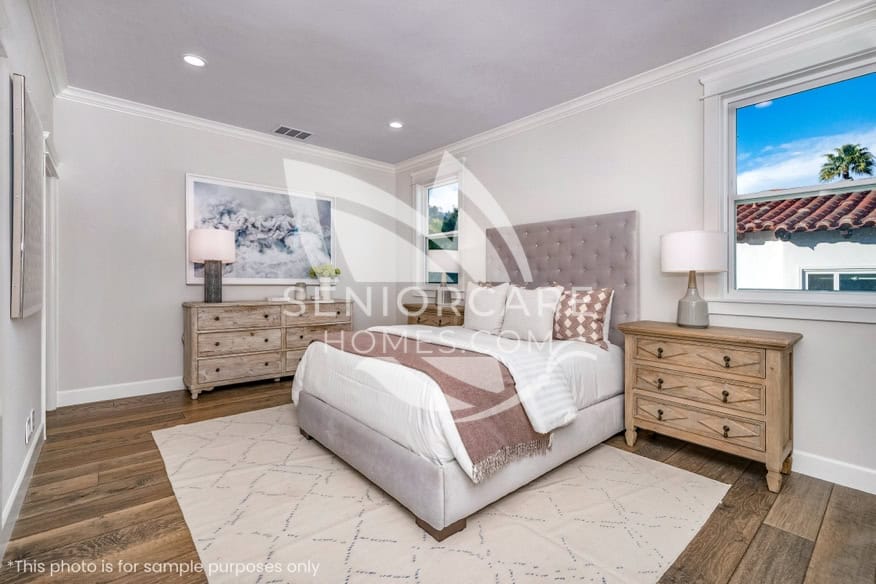
*Free Information & 100% No Obligation. We respect and value your privacy. Pictures are for sample purposes only.
By submitting this form you agree to SeniorCareHomes.Com’s Agreement to be contacted by email, phone or text message (SMS)
Real Families. Real Testimonials.