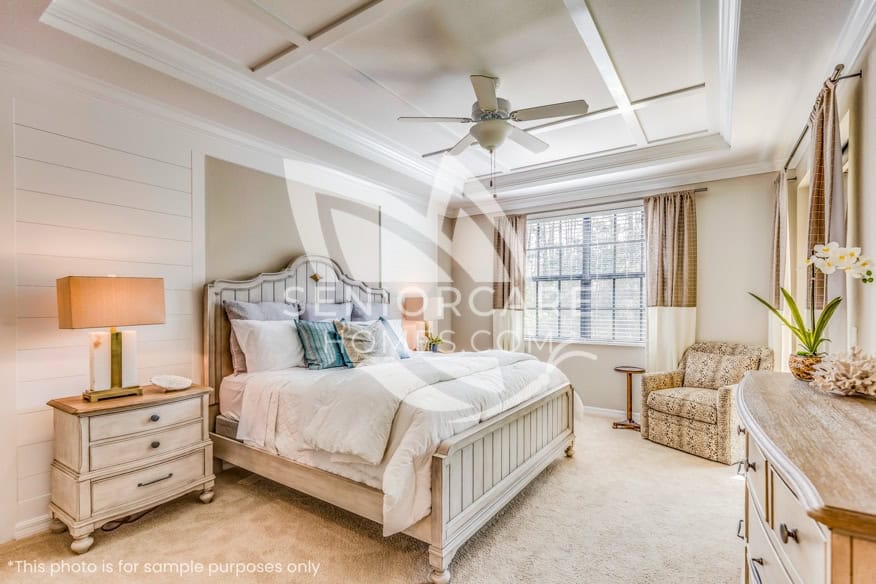
Memory care facilities are specialized living environments designed to support individuals with Alzheimer's disease and other forms of dementia. These facilities provide tailored care that focuses on the unique needs of residents, ensuring their safety and well-being in a nurturing atmosphere.
Typically, memory care facilities offer structured routines, trained staff, and engaging activities that promote cognitive function and social interaction. For instance, residents may participate in memory-enhancing activities, arts and crafts, and physical exercises, all aimed at improving their quality of life while providing necessary support.
When searching for memory care facilities, it's crucial to consider the amenities they offer. Key amenities can significantly impact the comfort and care of residents, making it essential to choose a facility that meets both their needs and preferences.
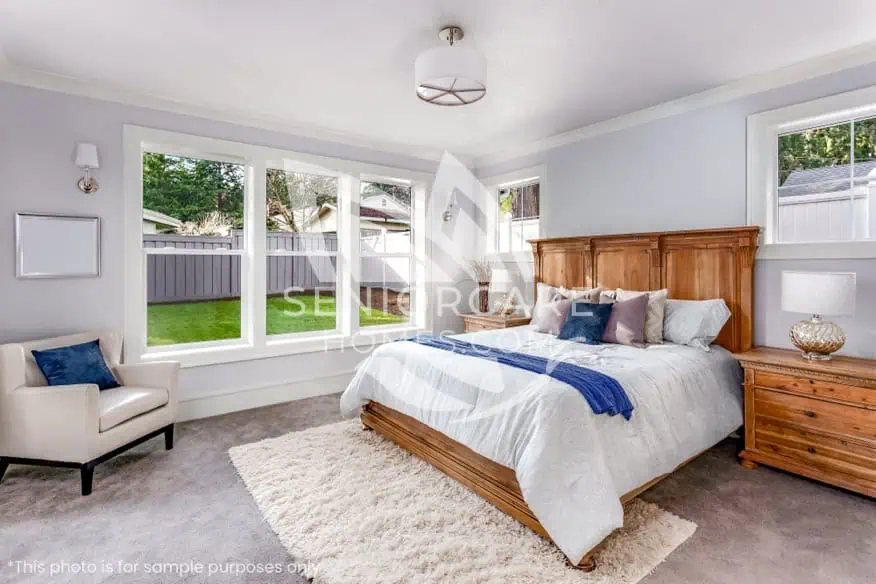
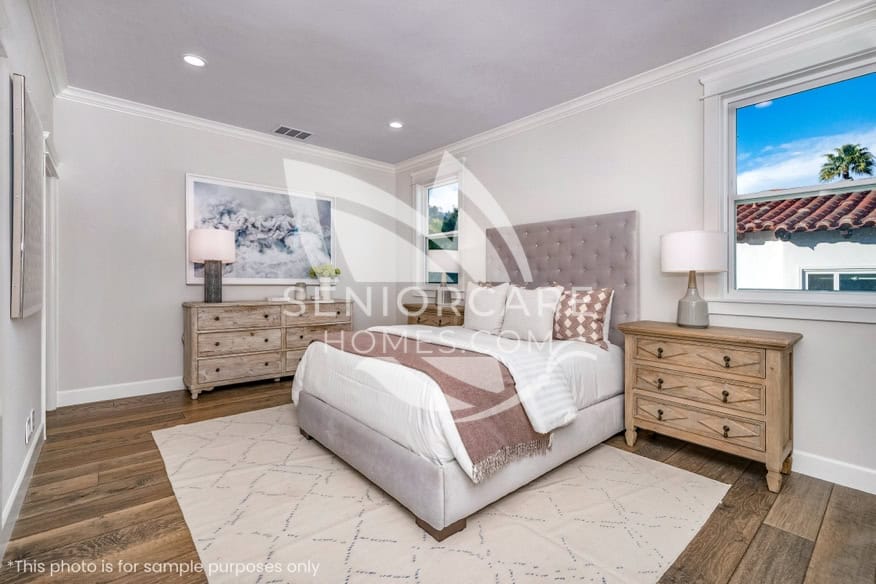
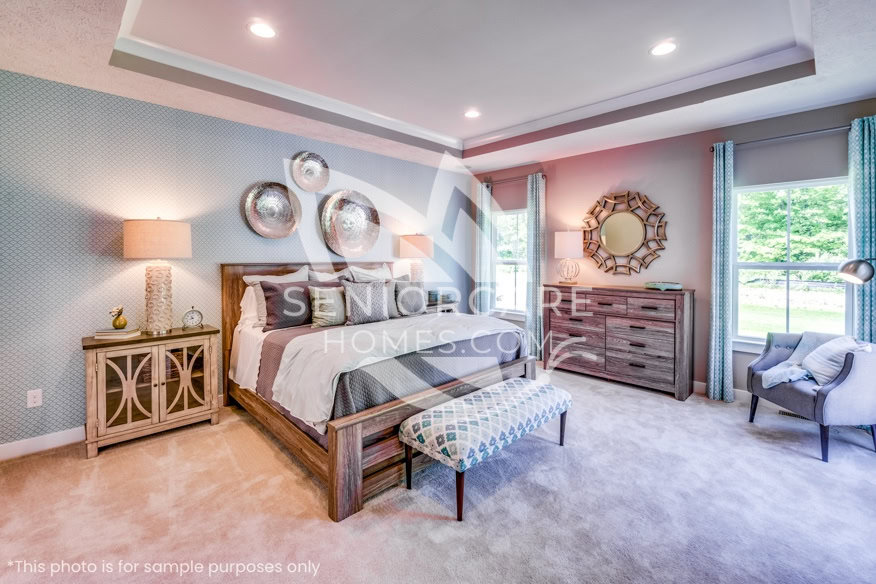
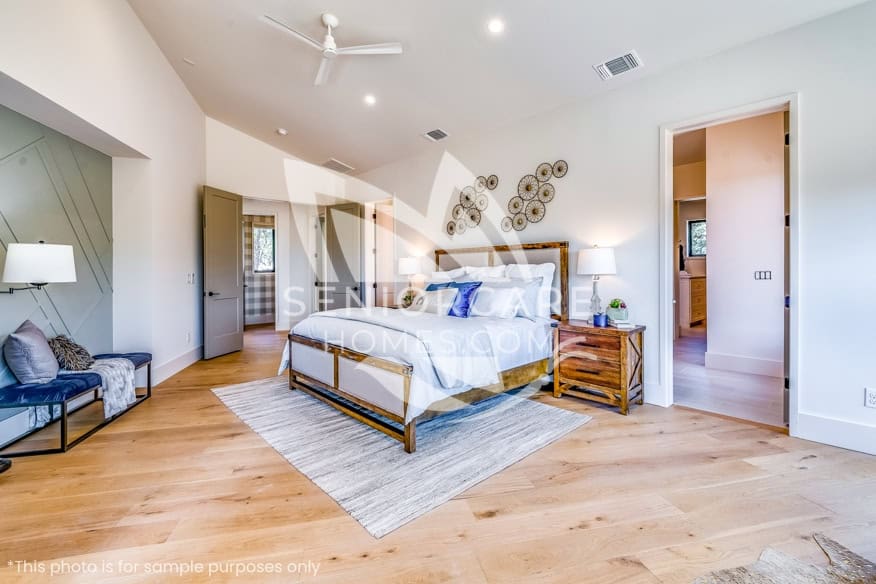
Common amenities include secured outdoor spaces, private or semi-private rooms, dining services, and recreational programs. Some facilities may also provide transportation services for outings, fitness classes, and on-site therapy, all of which contribute to a well-rounded living experience for residents.
Comparing memory care options is vital for families seeking the best fit for their loved ones. Each facility may have different approaches to care, amenities, and pricing, making it essential to evaluate multiple options before making a decision.
Utilizing comparison tools and resources can help families weigh the pros and cons of various facilities. Factors such as staff-to-resident ratios, types of care offered, and community reviews can provide valuable insights into the quality of care and overall environment, aiding families in their decision-making process.
During a tour of a memory care facility, asking the right questions can help families assess whether a community is suitable for their loved one. It's important to gather information about staff qualifications, care plans, and resident engagement activities.
Inquire about the facility's approach to memory care, including how they handle emergencies, manage medications, and support residents in daily activities. Additionally, asking about family involvement in care and communication can provide a clearer picture of how the facility operates and its commitment to resident well-being.